
You watch your child struggle with homework night after night, squinting at books and rubbing tired eyes. They might be smart and eager to learn, but reading feels like an uphill battle that leaves everyone frustrated.
Through personalized plans, vision therapy can help children improve their reading skills by training their eyes to work together properly, track text smoothly, and focus clearly on words.
What Is Vision Therapy?
Vision therapy uses specific exercises to train your child’s visual system. Think of it like physical therapy for the eyes—targeted activities that strengthen weak areas and improve coordination.
Each program gets customized for your child’s specific needs. The eye doctor creates exercises based on what your child struggles with most, whether that’s tracking words or keeping text in focus.
Regular check-ins help track progress throughout treatment.
Common Vision Problems That Affect Reading
Eye Movement Issues
Your child’s eyes need to move smoothly across each line of text, then jump precisely to the start of the next line. When this system doesn’t work properly, reading becomes much harder.
You might notice your child:
- Has difficulty tracking words across pages
- Skips lines while reading
- Loses place frequently in text
Focusing and Convergence Problems
Reading requires both eyes to point at the same spot and focus clearly at close distances. When this coordination breaks down, your child can experience visual discomfort that makes reading feel like work.
Common symptoms include:
- Words appear blurry or double
- Eye strain after short reading periods
- Headaches during homework time
Signs Your Child May Need Vision Therapy
Your child might not complain directly about vision problems, but their behaviour often tells the story. Pay attention to what happens during reading time at home.
Watch for these warning signs:
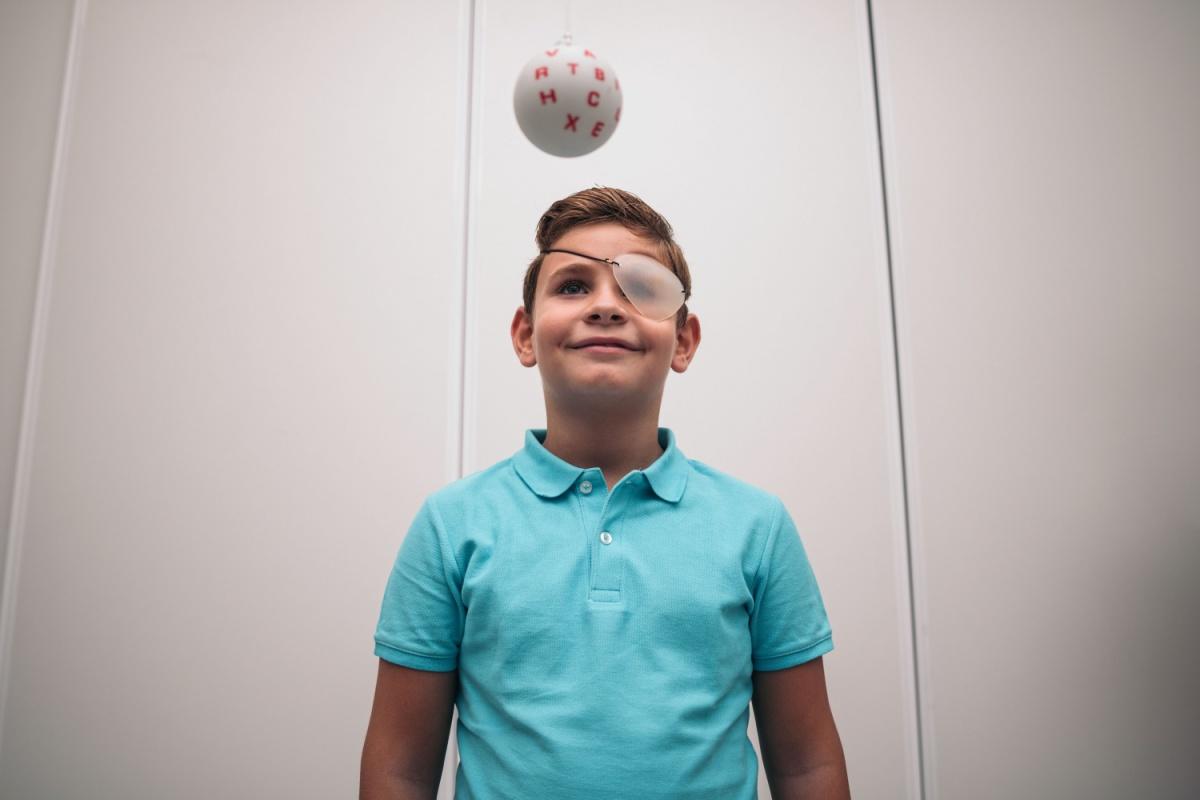
- Covers one eye when reading
- Complains of tired eyes after schoolwork
- Reads below grade level despite intelligence
Children often develop coping strategies that hide vision problems. They might avoid reading, rush through assignments, or seem easily distracted during homework. Recognizing conditions like amblyopia and strabismus helps you know when professional help is needed.
How Vision Therapy Helps Reading Skills
Improved Eye Coordination
Vision therapy trains both eyes to work as a team. Your child learns to coordinate their eye movements, so text stays clear and stable on the page.
The benefits can include:
- Both eyes working together smoothly
- Reduced skipping of words or lines
- Clear focus on text
Enhanced Visual Processing
Beyond eye movement, vision therapy helps improve how quickly and accurately your child processes what they see. This can make reading feel more natural and less tiring.
You can typically expect:
- Faster recognition of letters and words
- Improved comprehension speed
- Less fatigue during reading tasks
What to Expect from Vision Therapy
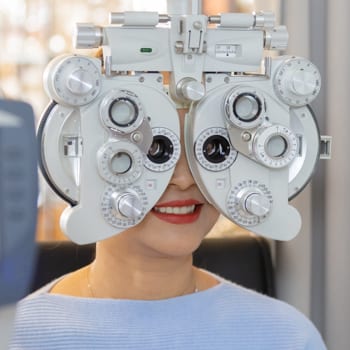
Vision therapy starts with a thorough evaluation to identify exactly which visual skills need improvement. This comprehensive children’s eye exam goes far beyond checking if your child needs glasses.
The treatment process typically includes:
- Comprehensive visual skills assessment before treatment starts
- Weekly sessions with specialized equipment
- Home exercises to reinforce progress
Your eye doctor can explain each step and help you know what improvements to look for at home. Many parents notice changes in their child’s reading comfort within the first few weeks of treatment. Early intervention for conditions like lazy eye can lead to more effective outcomes.
Foster Their Love of Reading
If your child struggles with reading despite your efforts to help, vision problems might be the missing piece of the puzzle. Schedule a comprehensive evaluation with Foresee Eyecare to explore whether vision therapy can help your child become a more confident, comfortable reader.