Growing older can mean noticing that reading your phone or a restaurant menu isn’t as easy as it used to be. That’s why many people use reading glasses. But if you already wear glasses for another vision issue, it can be frustrating to constantly switch between pairs throughout the day.
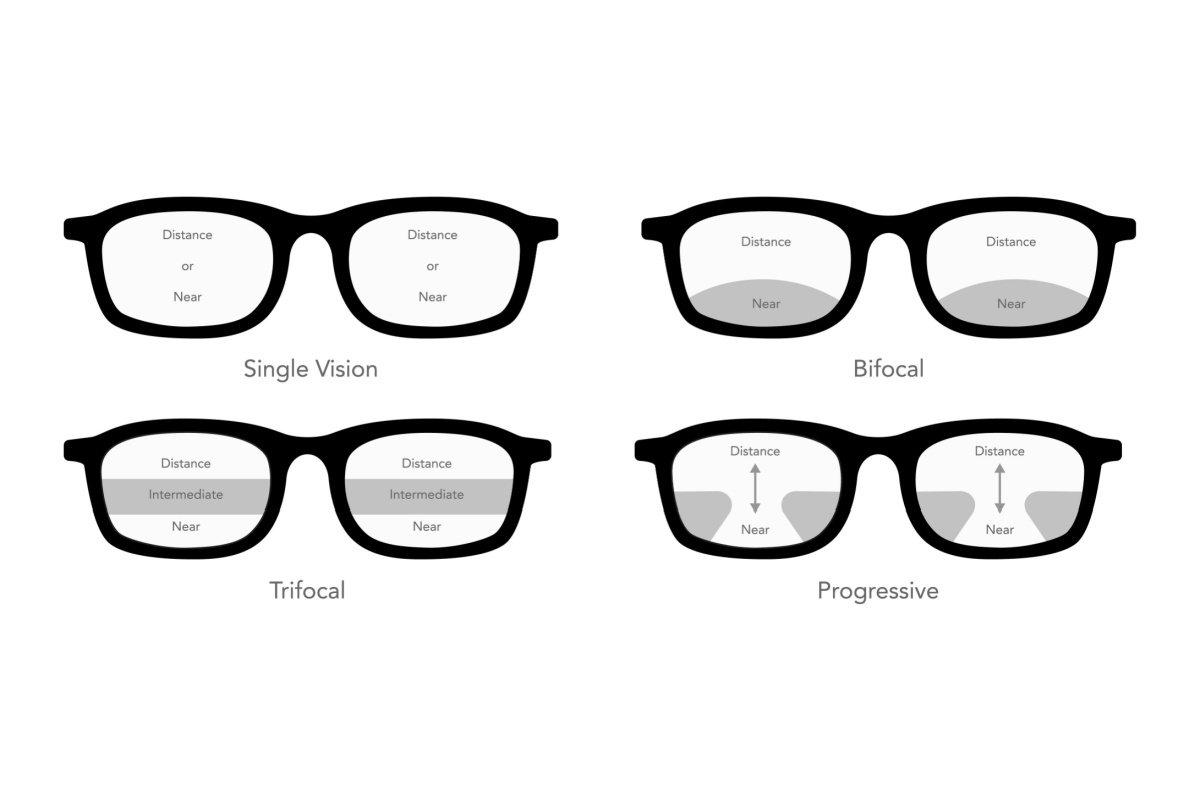
Progressive lenses are multifocal eyeglasses that provide clear vision at all distances in a single lens without visible lines. Unlike bifocals with their telltale line, progressive lenses offer a smooth transition between different vision zones, giving you natural sight whether you’re reading a book, working on your computer, or driving down the street.
What Makes Progressive Lenses Different
Progressive lenses contain multiple prescription powers within one lens, arranged in distinct zones. The top portion helps you see distant objects clearly, the middle section handles intermediate vision like computer screens, and the bottom area focuses on close-up tasks like reading.
Single-vision lenses can only correct one distance at a time, so you may need multiple pairs of glasses for different activities. Progressive lenses eliminate this hassle by combining everything into one convenient pair.
Unlike bifocals that jump abruptly between 2 prescriptions, progressive lenses provide a gradual transition in power. This smooth transition helps you avoid the jarring visual “jump” that happens when you look through different sections of bifocal lenses.
Who Needs Progressive Lenses
Around age 40, your eye’s natural lens becomes less flexible, making it harder to focus on close objects. This condition, called presbyopia, affects nearly everyone and gradually worsens over time.
You might benefit from progressive lenses if you notice these signs:
- Holding reading material farther away
- Difficulty switching focus between distances
- Eye strain during computer work
- Squinting to see clearly at different distances
Your lifestyle also plays a role in whether progressive lenses make sense for you. If you frequently switch between reading, computer work, and distance viewing throughout your day, progressive lenses can provide seamless vision without constantly changing glasses.
We are seeing a growing population of patients starting to wear progressive lenses earlier than 40 years of age. This is due to a multitude of factors including weakened focusing (accommodation) and increased near tasks and screentime for schooling, work, and recreation. Many of these lenses may be called anti-fatigue or therapeutic lenses and may be variants of different types of progressive lenses.
Types of Progressive Lenses Available
Standard progressive lenses offer basic multifocal correction with adequate viewing areas for most daily activities. These entry-level options work well for people with straightforward vision needs and less demanding visual requirements.
Premium progressive lenses may feature wider viewing areas and smoother transitions between vision zones. This can help you experience less peripheral distortion and more natural head movements when switching between different distances.
Computer-specific progressive lenses are designed for office workers who spend significant time at screens. These lenses emphasize the intermediate zone for comfortable computer viewing while still providing near and distance correction.

What to Expect During Your Eye Exam
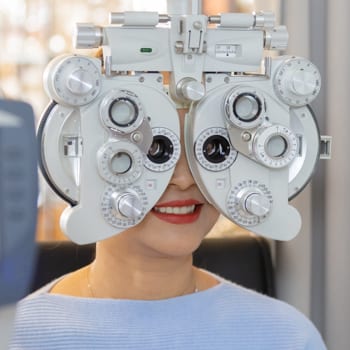
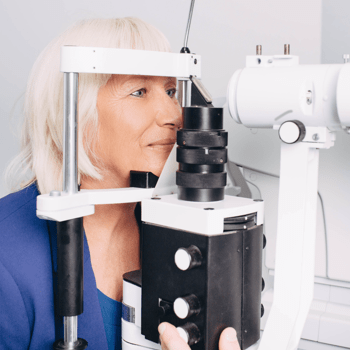
If you’re interested in progressive lenses, you’ll need an eye exam. Your optometrist starts by testing your vision at multiple distances to determine your exact prescription. We’ll check how well you focus on objects both near and far, and measure how your eyes work together.
Precise measurements are necessary so that your progressive lenses sit correctly on your face. Your optometrist measures your pupil distance, the height where you naturally look through the lens, and how your chosen frames position on your nose and ears.
We’ll discuss your daily activities, work requirements, and hobbies to recommend the right type of progressive lens. For example, someone who spends hours at a computer has different needs than someone who enjoys outdoor activities.
This appointment is also a great time to discuss dry eye therapy if screen time causes you any discomfort.
Progressive Lens Options
Eyewear technology is evolving all the time, so consider how your glasses can better benefit your daily activities.
Anti-reflective coatings can reduce glare from overhead lights and computer screens, giving you clearer vision and more comfortable eyes throughout the day.
High-index lens materials create thinner, lighter progressive lenses, which is especially helpful if you have a stronger prescription.
Photochromic lenses automatically darken when you step outside, eliminating the need to carry separate sunglasses. They provide convenient UV protection while maintaining your progressive prescription.
How Long Does It Take to Adapt to Progressive Lenses?
Most people need about 1–2 weeks to adapt to progressive lenses fully. During this time, you might notice some peripheral distortion or feel slightly off-balance when walking up stairs. These tips can help you adjust more quickly:
- Moving your head rather than just your eyes when looking around
- Looking through the correct zone for each task
- Taking time to adjust to stairs and curbs
- Wearing them consistently during the adjustment period
Remember that your brain needs time to learn how to use different parts of the lens automatically.
Professional fitting makes the difference between progressive lenses that work well and ones that cause ongoing problems. Your optometrist can position your lenses correctly and address any concerns during your adjustment period. Follow-up appointments allow us to make fine adjustments if needed.
We can also provide additional tips for adapting to your new lenses and answer questions that come up during daily use.
Enjoy Seamless Vision with Progressive Lenses
Stop carrying around multiple glasses when one pair will do. Progressive lenses can be an excellent option for people who want the benefits of bifocals without the harsh line across their lenses.At Foresee Eyecare, we’ve helped many patients get their first pair of progressive lenses, and we’re ready to do the same for you. Schedule a comprehensive eye exam today and ask us about progressive lenses!