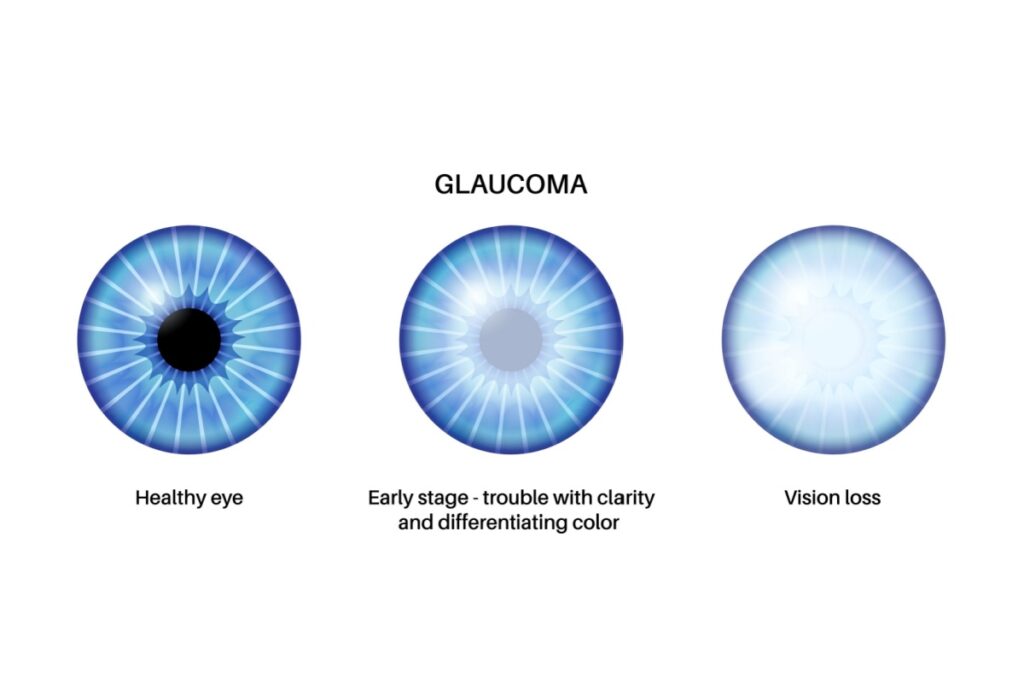
You might hear glaucoma called “the silent thief of sight,” and for good reason. In its most common form, this eye condition develops slowly over time with no obvious symptoms. You can have glaucoma for years without noticing a single change in how you see the world.
The first sign of glaucoma is typically loss of peripheral vision, but these changes are often completely unnoticeable to you. This is why a regular eye exam is one of the most reliable ways to detect it early. This gradual loss of peripheral vision can be subtle enough that your brain learns to compensate for the missing information, filling in the gaps without you ever knowing.
Why Early Glaucoma Signs Are Often Missed
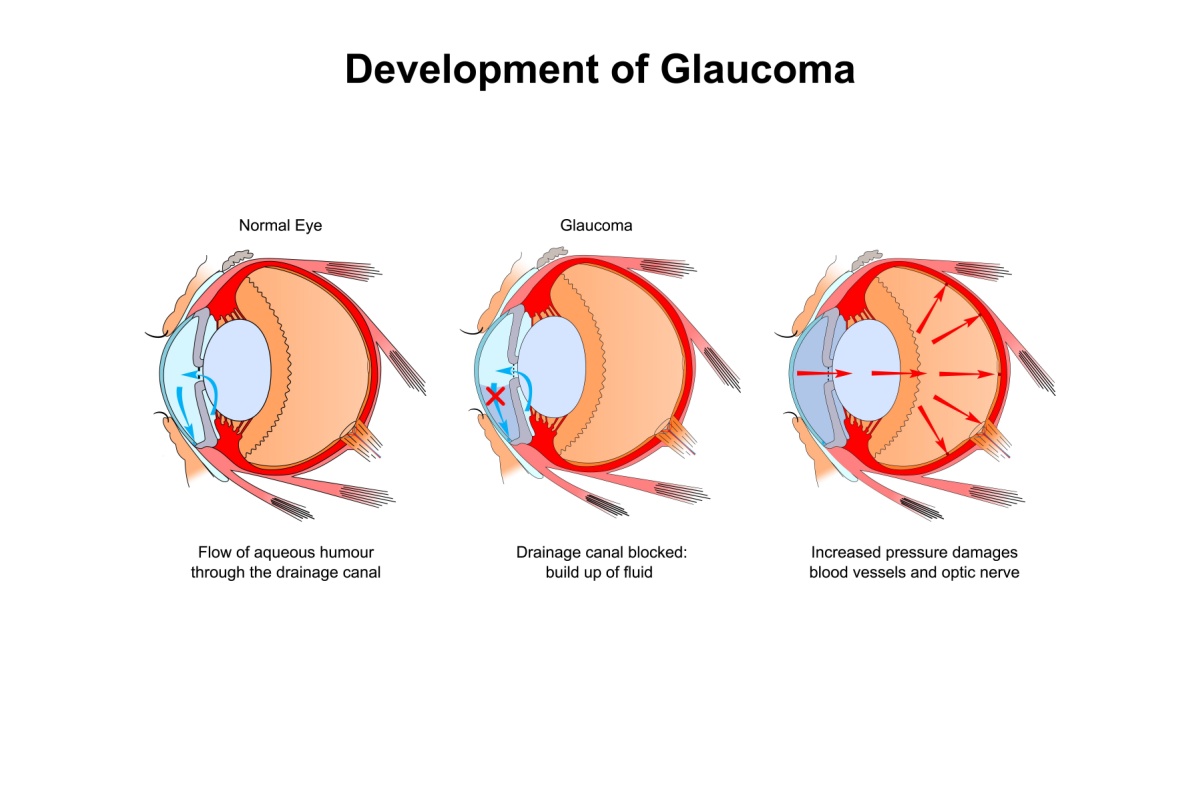
Glaucoma is a group of conditions related to increased intraocular pressure (IOP) causing damage to the optic nerve at the back of the eye. This nerve carries visual information to the brain, which then constructs an image. Any damage to this nerve can cause eventual vision loss. Most types of glaucoma happen because you have irregular IOP, but the damage can happen even with normal pressure.
Because common types of glaucoma develop without obvious symptoms, you may not suspect anything is wrong. Your vision can seem perfectly fine day-to-day, even while the condition is progressing. This is why it can affect your eyesight long before you realize it.
Thankfully, your optometrist can measure your IOP during an eye exam, and this is often the only way to diagnose glaucoma in the early stages.
Key Signs of Open-Angle Glaucoma
Open-angle glaucoma is the most widespread type. As it moves into later stages, you might start to see subtle changes in your vision. An optometrist can identify these signs during specific glaucoma tests that check your field of vision. Look out for these signs:
- Patchy blind spots in your side, or peripheral, vision
- A gradual fading of side vision, sometimes described as tunnel vision
- Difficulty with tasks that require central vision as the condition advances
Sudden Symptoms of Angle-Closure Glaucoma
Unlike open-angle glaucoma, acute angle-closure glaucoma appears suddenly and requires prompt emergency attention as your IOP increases sharply. The symptoms are intense and difficult to ignore. They can include:
- A bad headache
- Severe eye pain
- Nausea or vomiting
- Blurred vision
- See halos or rainbow-coloured rings around lights
- Redness in the eye
Common Risk Factors for Glaucoma
Certain factors can increase the likelihood of developing glaucoma. It helps to know if you fall into any of these categories so you can be proactive about your eye health.
Age and Family History
Your risk for glaucoma goes up as you get older, especially after age 55. If others in your family have glaucoma, it’s also a good idea to schedule regular eye exams.
Health and Background
Health conditions such as diabetes or high blood pressure can increase your risk. Certain genetic traits may also play a role, and even your corneal thickness can increase your risk.
Eyesight and Past Injuries
Being very nearsighted or farsighted can increase your risk of developing glaucoma later in life. A prior serious eye injury or certain types of eye surgery can also be contributing factors, as they affect your eye’s structure.
How an Eye Exam Helps Protect Your Vision
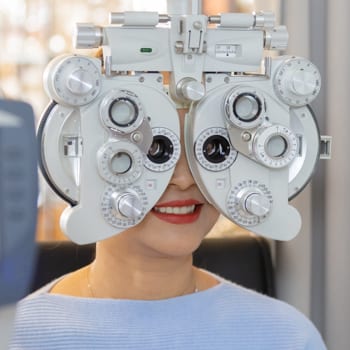
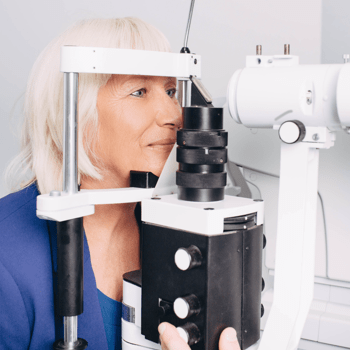
Since the first signs of glaucoma are often invisible, the only reliable way to spot it early is through a comprehensive eye exam. During your appointment, the team checks the pressure inside your eyes and evaluates the health of your optic nerve. Diagnostic imaging and testing can often help catch glaucoma before vision is lost. We routinely screen for glaucoma during your comprehensive eye exam so patients don’t have to worry about this condition being missed.
Uncovering glaucoma in its early stages offers a significant advantage during treatment. While there’s no cure, there are effective ways to manage the condition and slow its progression, helping preserve your vision.
A routine eye exam allows an optometrist to find the earliest signs of eye disease, often long before you would notice anything yourself. This approach is a key part of protecting your sight for the future.
Don’t Let Glaucoma Sneak up on You
Glaucoma can be scary, but it doesn’t have to be. With regular eye exams, Foresee Eyecare can monitor for signs and treat glaucoma early so you can stay ahead of the disease. If we do detect changes, we can discuss a personalized plan to manage and treat your eye pressure to protect your optic nerve and visual field.
Our doctors and team focus on preventative eye care before vision is lost or catching the condition at the earliest stages. That’s just one way our team supports your long-term eye health. Book your appointment today to take a proactive step toward protecting your vision.