
Astigmatism is a common vision condition that leads to blurry or distorted sight due to an irregularly shaped cornea or lens. For some people, astigmatism is mild and barely noticeable, while for others, it can become more severe, interfering with daily activities and visual comfort.
Understanding what can cause astigmatism to worsen is essential for protecting your long-term eye health. From natural aging to eye injuries, a range of factors can contribute to its progression. Understanding whether astigmatism can be reversed and knowing what the treatment options are empowers you to make informed decisions about your vision.
What is Astigmatism?
Astigmatism occurs when the lens of the eye or the cornea (the clear, dome-shaped surface of the eye) has an irregular shape. This irregular shape causes light to scatter rather than focus clearly at a single point on the retina. This results in blurred or distorted vision.
There are two main types of astigmatism:
- Corneal astigmatism occurs when the cornea is irregularly shaped.
- Lenticular astigmatism is caused by an abnormal curvature of the lens.
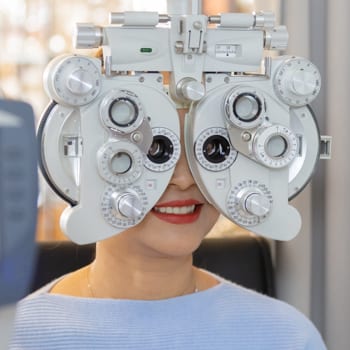
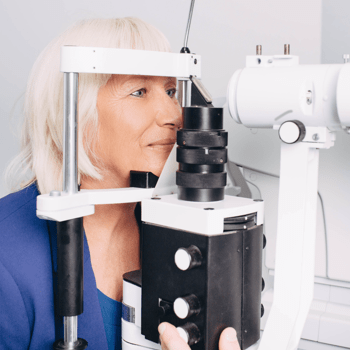
Astigmatism can occur alongside other refractive errors like myopia (nearsightedness) or hyperopia (farsightedness). It’s typically diagnosed with comprehensive eye exams, which measure your cornea and the curvature of the lens of your eye in order to assess your vision.
What Makes Astigmatism Worsen?
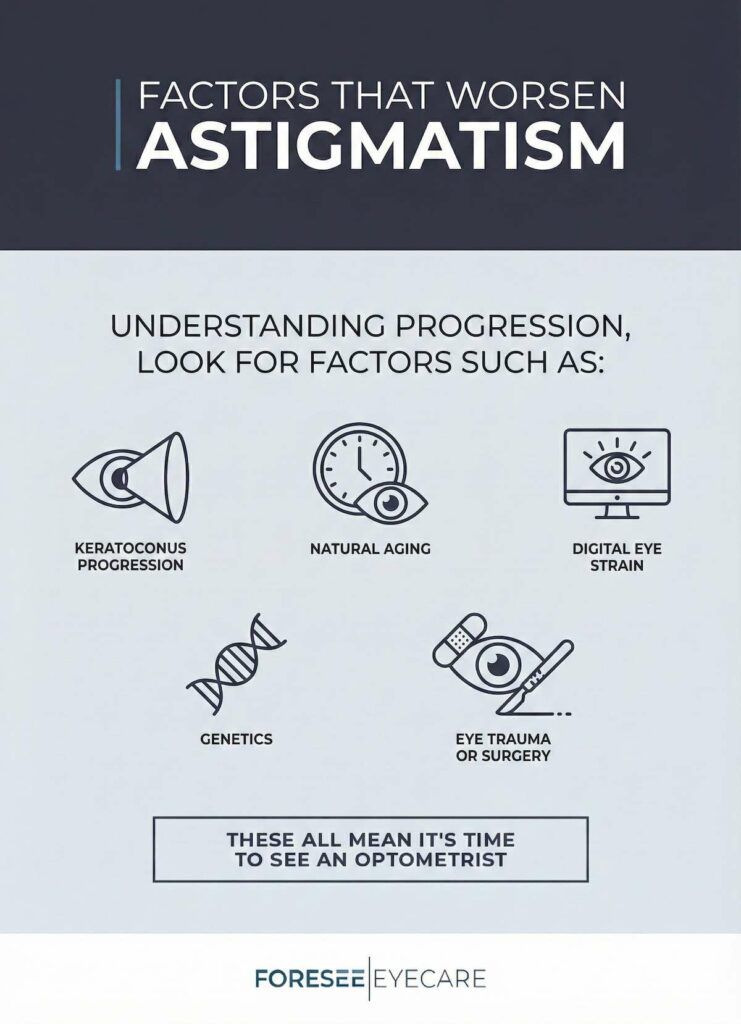
Several factors can contribute to the worsening of astigmatism and affect your vision clarity over time, including:
1. Keratoconus
This degenerative condition causes the cornea to thin and bulge into a cone-like shape, severely distorting vision. Keratoconus is a major contributor to worsening astigmatism and often requires advanced treatment to manage.
2. Natural Aging
As we age, the structure of our eyes change. The cornea and lens may lose their shape or flexibility, and age-related conditions like presbyopia or cataracts may influence how the eye focuses light—potentially intensifying astigmatism.
3. Digital Eye Strain
Extended use of screens or intense visual tasks like reading or working on a computer can lead to digital eye strain. While this doesn’t cause astigmatism, it can make the symptoms—like blurry or tired vision—more noticeable and uncomfortable.
4. Genetics
Your family history can play a role. If close relatives have astigmatism or related eye conditions, like keratoconus, your risk of developing progressive astigmatism increases.
5. Eye Trauma or Surgery
Injuries to the eye or complications from procedures such as cataract surgery can alter the shape of the cornea, sometimes triggering new or worsening astigmatism.
How Do I Stop My Astigmatism from Getting Worse?
While there are no guarantees, certain preventive actions can mitigate risk factors:
1. Reduce Screen Time & Eye Strain
Prolonged use of digital devices can increase eye strain and may make symptoms of astigmatism more noticeable. The 20-20-20 rule can help alleviate strain. Every 20 minutes, take a 20-second break to focus on something 20 feet away.
2. Protect Your Eyes
Simple precautions can prevent injuries that aggravate astigmatism. Always wear protective eyewear during high-risk activities, such as sports or work involving flying debris.
3. Address Underlying Conditions
Some conditions, such as keratoconus (where the cornea becomes thin and cone-shaped), can worsen astigmatism. Early diagnosis and treatment options like corneal cross-linking may help to stabilize the condition.
4. Prioritize Regular Eye Exams
Routine eye exams allow us to detect changes in your vision early. Catching and addressing issues early helps you manage astigmatism and protect your overall eye health.
What Does Someone with Astigmatism See?

People with astigmatism see things differently than those with normal vision. Common visual symptoms include:
- Blurred or Distorted Vision: Lines may appear wavy, and shapes can look stretched or skewed.
- Double Vision (Monocular Diplopia): Objects may be duplicated, particularly at certain angles.
- Night Vision Issues: Light sources, like headlights or streetlights, may appear haloed or streaky.
- Eye Fatigue: Constant effort to focus can result in tired eyes after long periods of use, especially when reading or using computers.
These symptoms tend to vary a bit from person to person, which is why it’s so important to visit your optometrist.
How Is Astigmatism Treated?
Although astigmatism can’t be naturally reversed, several effective treatment options can enhance vision and quality of life. Depending on the severity of your astigmatism and your lifestyle, we can work with you to help you find the most suitable solution. Common options include:
1. Corrective Lenses
Glasses can help compensate for the irregular curvature in your cornea or lens.
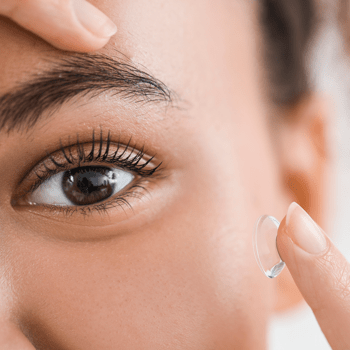
There are also several contact lens options for people with astigmatism. Toric Lenses, for instance, are designed specifically for astigmatism. Rigid Gas-Permeable (RGP) Lenses provide sharp vision and are ideal for those with moderate to severe forms of the condition. Orthokeratology (Ortho-K) involves wearing rigid lenses overnight to temporarily reshape the cornea and reduce the need for glasses or contacts during the day.
2. Refractive Surgery
For eligible candidates, surgery is another corrective solution.
- LASIK (Laser-Assisted in Situ Keratomileusis) reshapes the cornea to improve its ability to focus light. This outpatient procedure can provide lasting correction.
- PRK (Photorefractive Keratectomy), is more suitable for people with thinner corneas.
- SMILE (Small Incision Lenticule Extraction) is a surgical option intended for certain types of corneal astigmatism.
3. Managing Accompanying Conditions
If conditions like keratoconus or cataracts exacerbate astigmatism, procedures such as corneal cross-linking or cataract surgery may help to stabilize your vision.
Take Control of Your Vision Today
Astigmatism doesn’t have to affect your quality of life. By identifying the factors that worsen it and seeking out treatment, you can protect your vision and enjoy sharp, comfortable eyesight.
At Foresee Eyecare, we’re committed to your eye health. With expert diagnoses and tailored care, we aim to help you manage astigmatism and its symptoms. Schedule a consultation with our team today and take the first step towards clearer sight and healthier eyes.