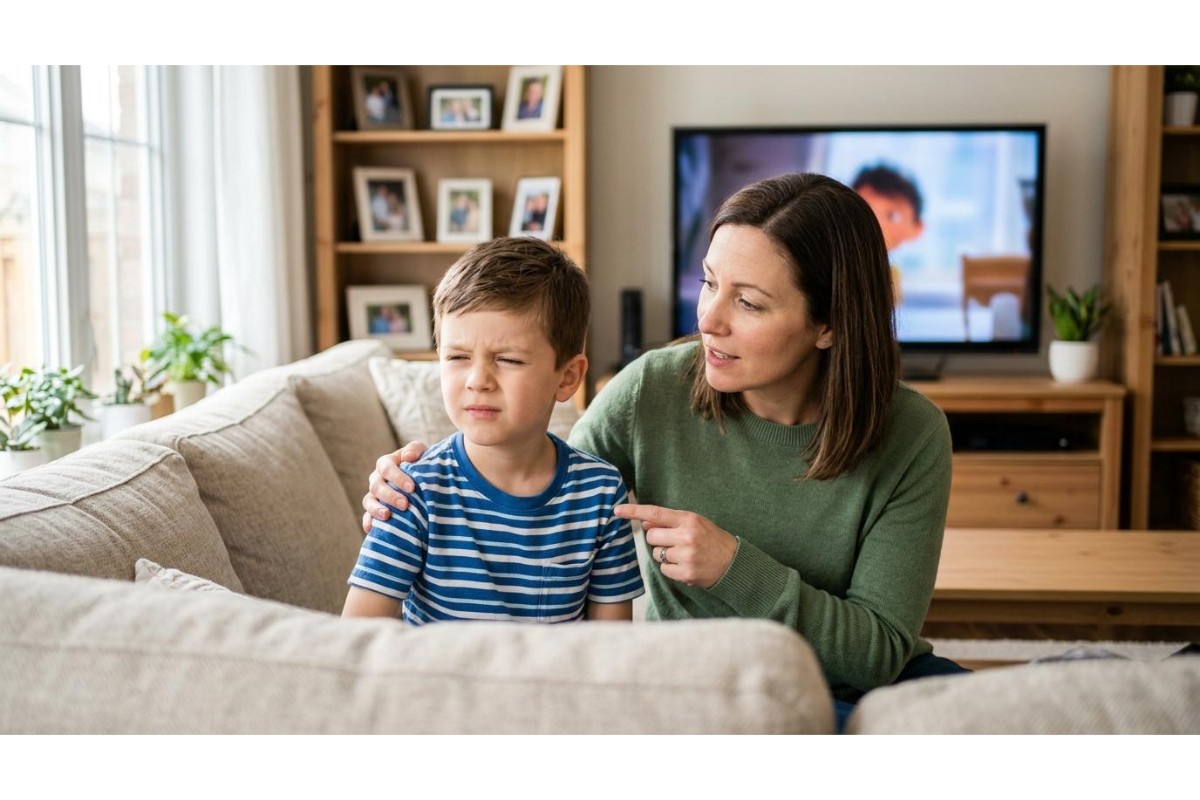
As a parent, you want to do everything you can to set your child up for success. If your child squints at the board in school or keeps inching closer to the TV, you’ve probably started wondering what’s going on with their vision.
Nearsightedness, or myopia, is one of the most common vision conditions in children, and it tends to progress quickly during the school years. Myopia cannot be reversed, but with the right approach, its progression can often be slowed, which can help protect your child’s eye health long-term. It’s completely normal to be concerned, but knowing what you’re dealing with makes a real difference.
What Myopia Is and How It Develops
The Basics of Nearsightedness
Myopia happens when the eyeball grows slightly too long from front to back. Because of this shape, light focuses just in front of the retina instead of directly on it, which makes distant objects appear blurry while close-up tasks like reading tend to stay clear. This is why kids with myopia can often read a book just fine but struggle to see the whiteboard across the room.
Several factors can influence how quickly myopia develops in children:
- Family history: If one or both parents have myopia, their child has a higher chance of developing it too.
- Screen time and near work: Prolonged near work, including extended screen use, may contribute to myopia risk, especially when it replaces outdoor time and regular visual breaks.
- Time indoors: Spending too little time outdoors is linked to faster myopia development.
The condition tends to progress most rapidly during childhood and the teenage years, which makes early awareness incredibly important.
Signs Your Child Might Be Nearsighted
Children don’t always know their vision has changed, so it often falls to parents to notice the signs. Keep an eye out for a few common behaviours at home:
- Squinting at screens, whiteboards, or objects in the distance
- Sitting very close to the TV or holding books right up to their face
- Complaining of frequent headaches or tired eyes after school
These signs don’t automatically confirm myopia, but they give you a good reason to book an eye exam and get a clear picture of what’s happening with your child’s vision.
Can Myopia Be Reversed Naturally?
There is no proven method to reverse or cure myopia. Once the eyeball elongates, we cannot undo that physical change. Some myopia control treatments recommended by your Optometrist can cause temporary reversals in eyeball elongation and thickening, but often this is slowing down progression rather than reversing myopia itself. You might see and be tempted by natural remedies and vision exercises mentioned online, but none of these actually shrink the eye back to its original length.
What LASIK and Laser Surgery Actually Do
For adults with stable prescriptions, LASIK and other laser surgeries can correct vision by reshaping the cornea, which helps light focus properly again. However, these procedures do not shorten the eye or reverse the underlying cause of myopia. That matters because a longer eye can still carry certain health risks, including a higher chance of retinal issues later in life (eg Glaucoma, Retinal Detachments, Myopic Maculopathies/Macular Degeneration).
Myopia Control Options Worth Knowing About
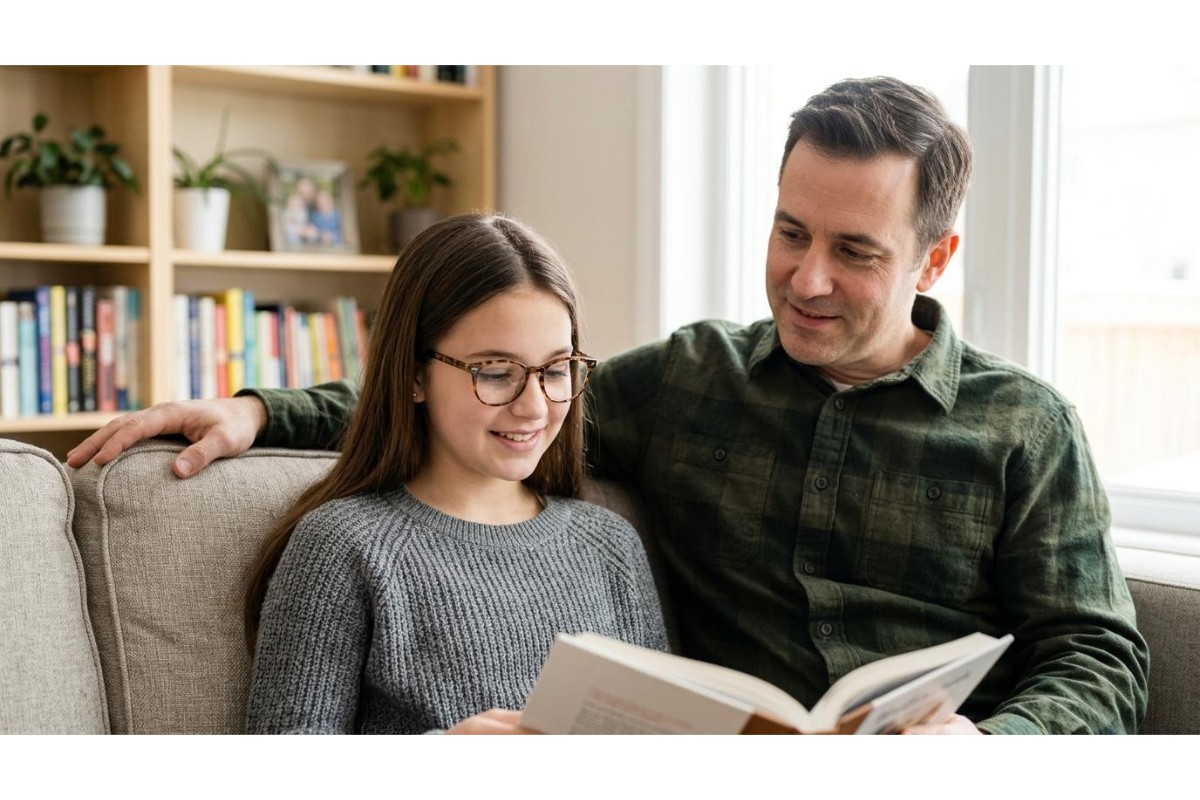
While reversal isn’t possible, slowing myopia progression often is. At Foresee Eyecare, we offer several myopia control options and will help determine which approach best suits your child’s prescription, age, lifestyle, and eye health needs. Options may include:
- Orthokeratology: Custom contact lenses worn overnight to gently reshape the cornea while your child sleeps.
- MiSight contact lenses/glasses: Specialty soft contact lenses or spectacle lenses designed for children with myopia 6 years old and up.
- Abiliti 1-Day contact lenses: Daily disposable contact lenses designed to help manage myopia progression.
- MiyoSmart glasses: Myopia control glasses designed to support clearer vision while helping slow eye growth.
- Stellest glasses: Specialized spectacle lenses designed for myopia management.
- Atropine eye drops: Low-dose medicated eye drops used to help slow the rate at which the eye grows longer.
In some cases, if your child has additional vision concerns beyond myopia, we may also discuss whether vision therapy is appropriate.
Daily habits can also support your child’s treatment plan. When possible, aim for around 2 hours of outdoor time each day, and balance screen time or other close-up tasks with regular visual breaks.
Why Regular Eye Exams Matter
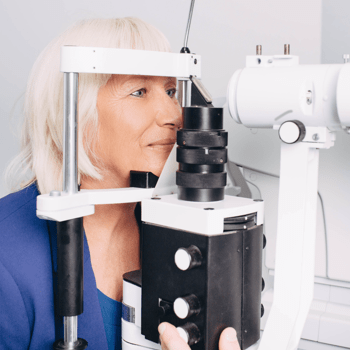
Myopia can change quickly in a growing child, sometimes before any obvious symptoms appear. A thorough eye exam can uncover prescription changes early, which means treatment can start sooner and potentially slow progression more effectively.
Each exam also gives us a chance to build or adjust a personalized myopia management plan based on how your child’s eyes are changing over time.
At What Age Does Myopia Stop?
For most people, myopia stabilizes somewhere in the late teens or early twenties, once the eye has finished growing. That said, the timeline varies, and some people continue to see changes into their mid and even late twenties. Consistent monitoring helps track where your child/teenager/young adult is in that progression and guides decisions about when and how to adjust their care.
Protecting Your Child’s Vision for the Future
Navigating your child’s eye health can feel overwhelming, but you don’t have to figure it out alone. By staying proactive and exploring myopia management options early, you can help protect your child’s vision for the long run.
If you’re concerned about your child’s nearsightedness, Foresee Eyecare is here to help. We offer thorough children’s eye exams and personalized myopia control treatments tailored to your child’s specific needs.
Book an appointment today to learn which options may be right for your child.