Key Takeaways
- Children’s eyes are still developing, so exams focus on catching problems early.
- Adults face age-related changes like glaucoma, cataracts, and prescription shifts.
- The tools and pacing used in each exam are tailored to the patient’s age.
- Children may also need a functional eye exam to check vision during reading and learning.
- Exam frequency varies by age, starting as early as 6 to 12 months for infants.
Two Kinds of Exams
Eye exams for children and adults focus on different health concerns, use different tools, and follow different schedules. This is because a person’s vision changes depending on where you are in life. Knowing what sets these eye exams apart can help you feel prepared walking into either kind of appointment.
Whatever you need for your eyes, our team at Foresee Eyecare is here to help.
How a Child’s Vision Differs from an Adult’s
A child’s visual system is still forming. From birth through the early school years, the brain and eyes are building the connections that make clear, coordinated vision possible. This is why catching a potential problem early matters so much.
If a vision issue goes undetected during these key developmental years, it can affect how a child learns, reads, and moves through the world. Adults, on the other hand, have a fully developed visual system. Our concerns for adults shift toward age-related changes rather than developmental ones.
Different Tools for Different Ages
What Adults Can Expect
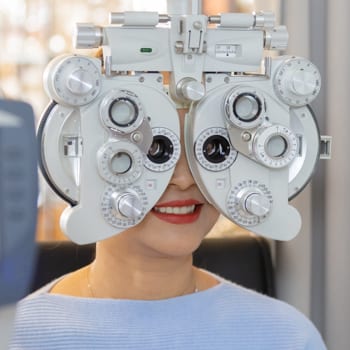
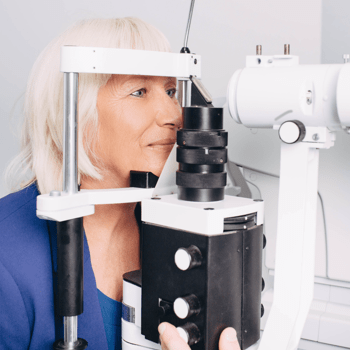
During an adult eye exam, your eye doctor uses a manual or digital phoropter, the device with the rotating lenses that you look through while reading an eye chart. This helps fine-tune your prescription. Adults can communicate clearly what looks sharp and what doesn’t, which makes this kind of testing reliable.
Objective computerized testing also plays a large role in modern eye exams. These tests measure eye pressure and peripheral vision, both of which are important for catching conditions like glaucoma or neurological diseases before symptoms appear. Tools like optical coherence tomography (OCT) and ultra-wide-field fundus imaging can give your eye doctor a detailed and objective evaluation of the back of the eye without any discomfort or side effects.
How Children’s Exams Are Set Up Differently
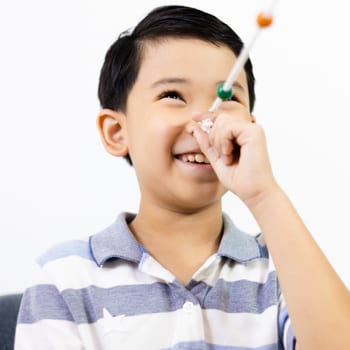
Children don’t need to read a chart or describe what they see to get an accurate result. That’s why, for children’s exams, we use a retinoscope, a hand-held tool that shines light into the eye from a comfortable distance and measures how it reflects back. This gives us a clear picture of a child’s prescription without requiring any verbal response.
The atmosphere in a children’s exam is also designed around shorter attention spans. You’ll often see:
- Picture-based charts (e.g. Allen symbols) instead of letters
- Games and toys to keep kids focused and cooperative
- A pace that gives children time to settle and engage
What an Eye Doctor Looks for at Each Age
Key Concerns in Children’s Eye Exams
Your optometrist will look closely at how your child’s eyes are developing. Two conditions that often go undetected without a proper exam are lazy eye (amblyopia) and crossed eyes (strabismus). Both respond well to treatment when found early.
Your optometrist will also check for delays in tracking and focusing, which are the building blocks of reading and learning. A child with perfect-seeming vision at home can still have visual development gaps that only an eye exam will reveal.
Remember, a child’s visual world may be closer than you think. They won’t drive for at least the first 16 years of their life and oftentimes don’t verbalize blurred vision at distance or can’t tell at early ages. It is important not to wait or rely on your child to verbalize an issue with their sight, as modern examinations are able to focus on objective and preventative rather than reactive measures.
Key Concerns in Adult Eye Exams
For adults, the focus moves toward eye health conditions that tend to develop gradually. Glaucoma, cataracts, and retinal changes are all part of a routine adult exam. Many of these conditions have no noticeable symptoms in their early stages, which is one reason why regular exams matter. A comprehensive eye exam can also detect over 270 health conditions beyond vision, including diabetes and high blood pressure.
As our very own Dr. Tsang likes to say, “By the time you notice something wrong with your vision or eyes, you’re probably right, and the eye doctor needs to diagnose and treat the condition accordingly. We are well into an age of preventative eyecare, and our ability through modern knowledge and technology to catch eye diseases and problems before symptoms are noticed has truly advanced eyecare delivery. It is best practice to try and be proactive and preventative in your health rather than reactive.”
The doctor also checks for prescription changes and looks at the eyes for signs of systemic conditions like diabetes and high blood pressure, both of which can show early signs in the eyes.
Functional Eye Exams and Why Children May Need One
A standard eye exam checks whether your child can see clearly. A functional eye exam goes further. It looks at how the eyes perform during tasks like reading, writing, and focusing on a whiteboard.
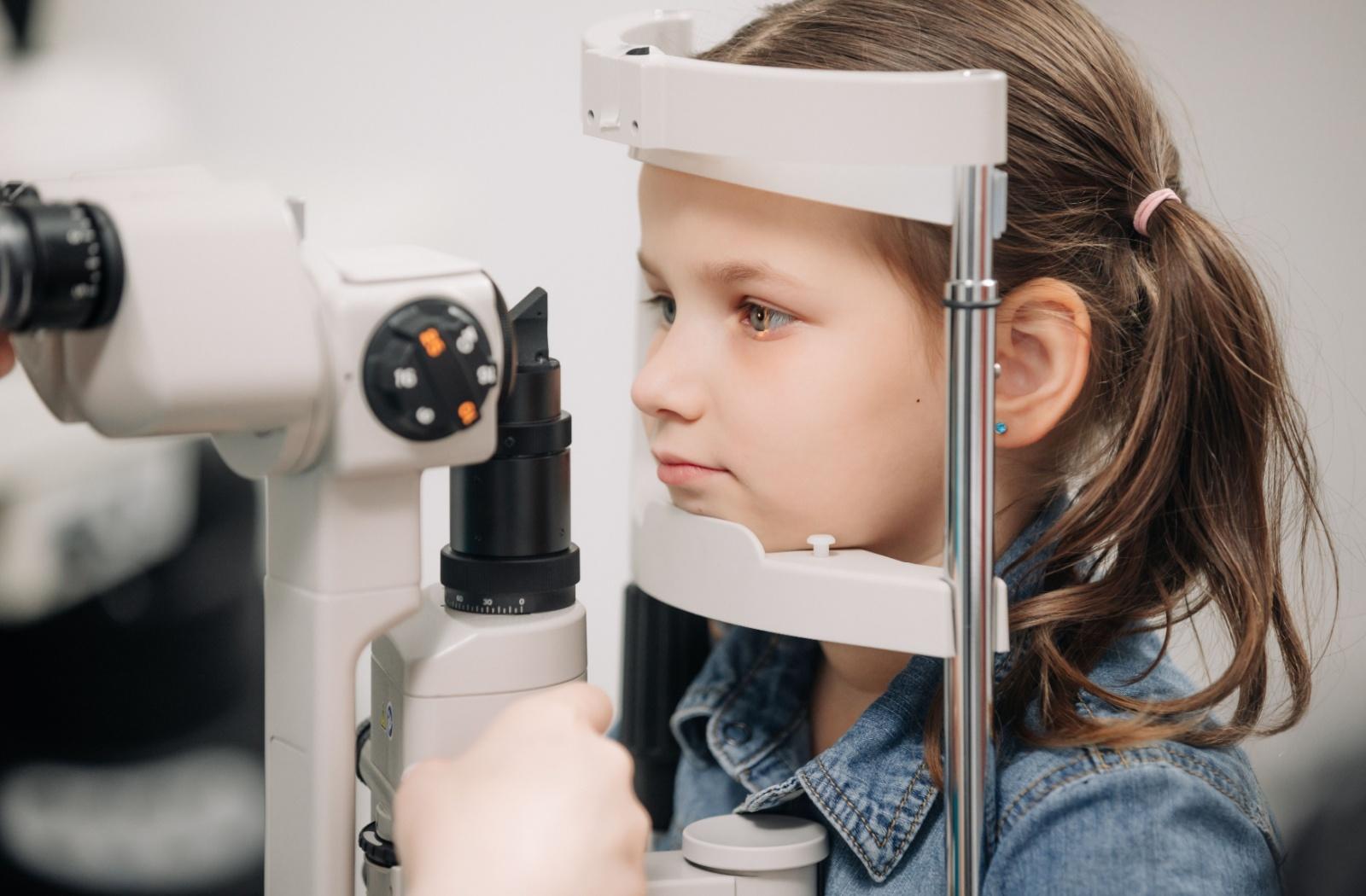
A child can have 20/20 vision and still struggle with eye teaming, tracking, or sustained focus. These issues won’t show up on a basic eye chart test. If your child is having trouble at school and no one can explain why, a functional eye exam can help uncover whether a vision-related issue might be a concern. Vision therapy is one possible option if functional gaps are found.
How Often Should Each Age Group Get an Eye Exam?
Recommended Schedule for Children
Eye exams for children should start early:
- First exam between 6–12 months of age
- Annually during a child’s/teenager’s/young adult’s school years
Recommended Schedule for Adults
Adult exam frequency depends on your age and any existing eye health concerns.
- Ages 20 to 54: every 1-2 years as recommended by your Optometrist
- Ages 55 and up: yearly
Recommendations and follow-ups are always custom tailored to individual patients and their specific needs, especially if conditions such as dry eye, diabetes, ocular disease, or a family history of eye disease are present.
Whether you’re booking for yourself or your child, Foresee Eyecare in Vaughan is ready to help. Reach out today to schedule your next exam and take a practical step toward protecting your vision at every age.